
Recap
PyCarinthia #1 – hello_world: the recap
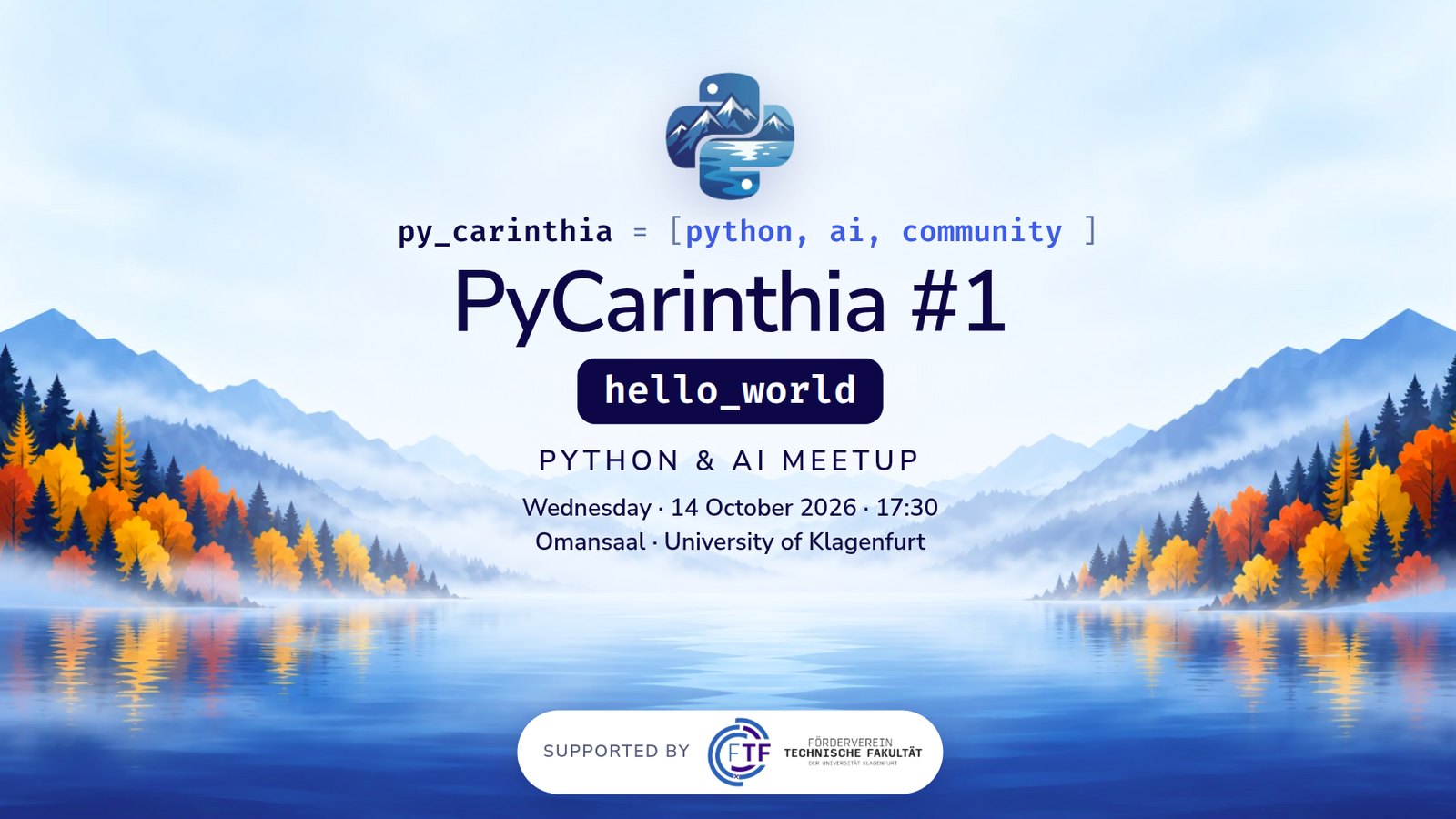
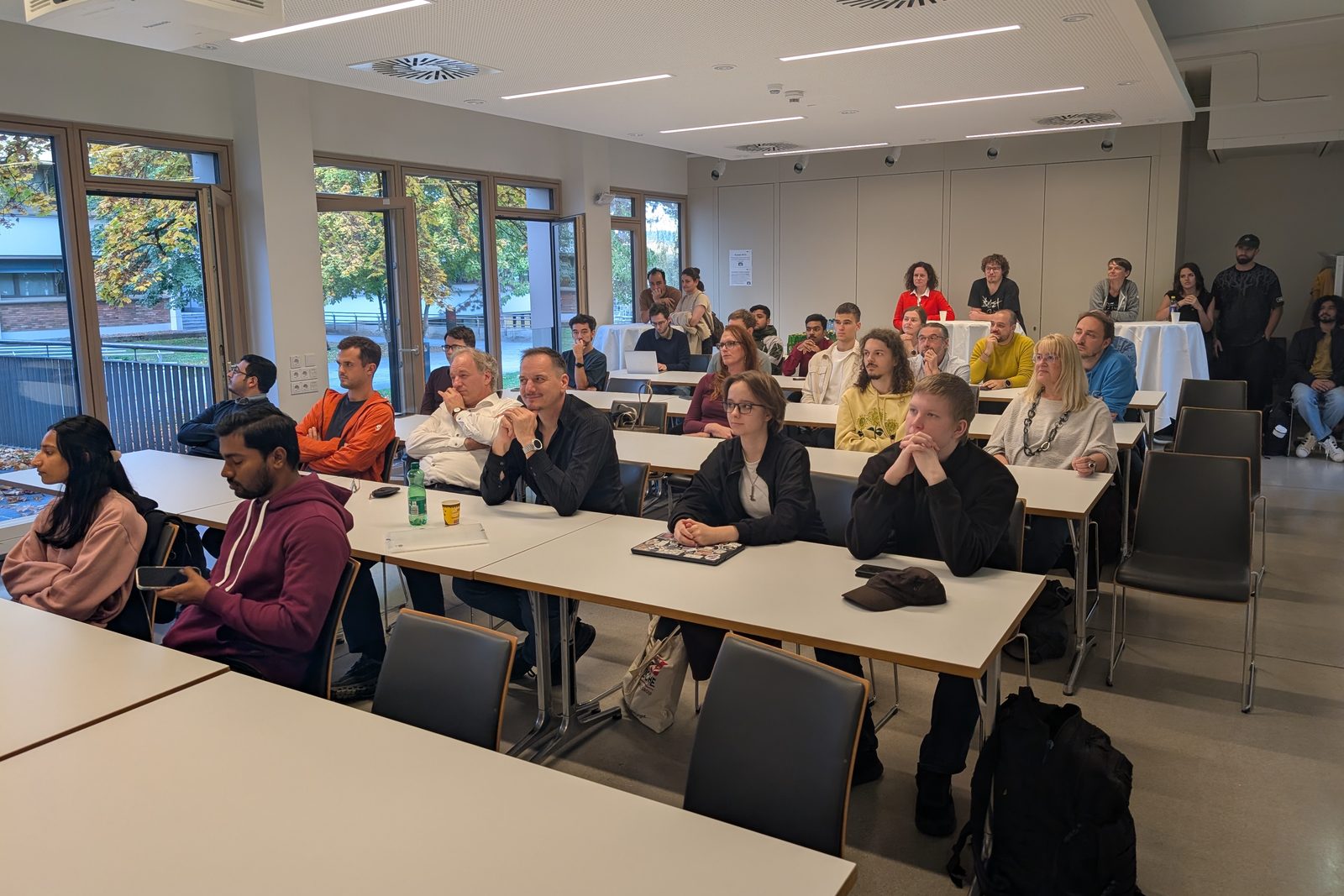
On 14 October 2026 the Omansaal at the University of Klagenfurt filled up for the very first PyCarinthia meetup. After a short welcome, three speakers took the stage: a maintainer's view on one of the best-known Python animation libraries, an AI system that helps rescue teams in highway tunnels, and a pipeline that teaches a language model to ask a multimeter for help. Plenty of questions followed each talk, and the conversations carried on well past the official end.
Opening
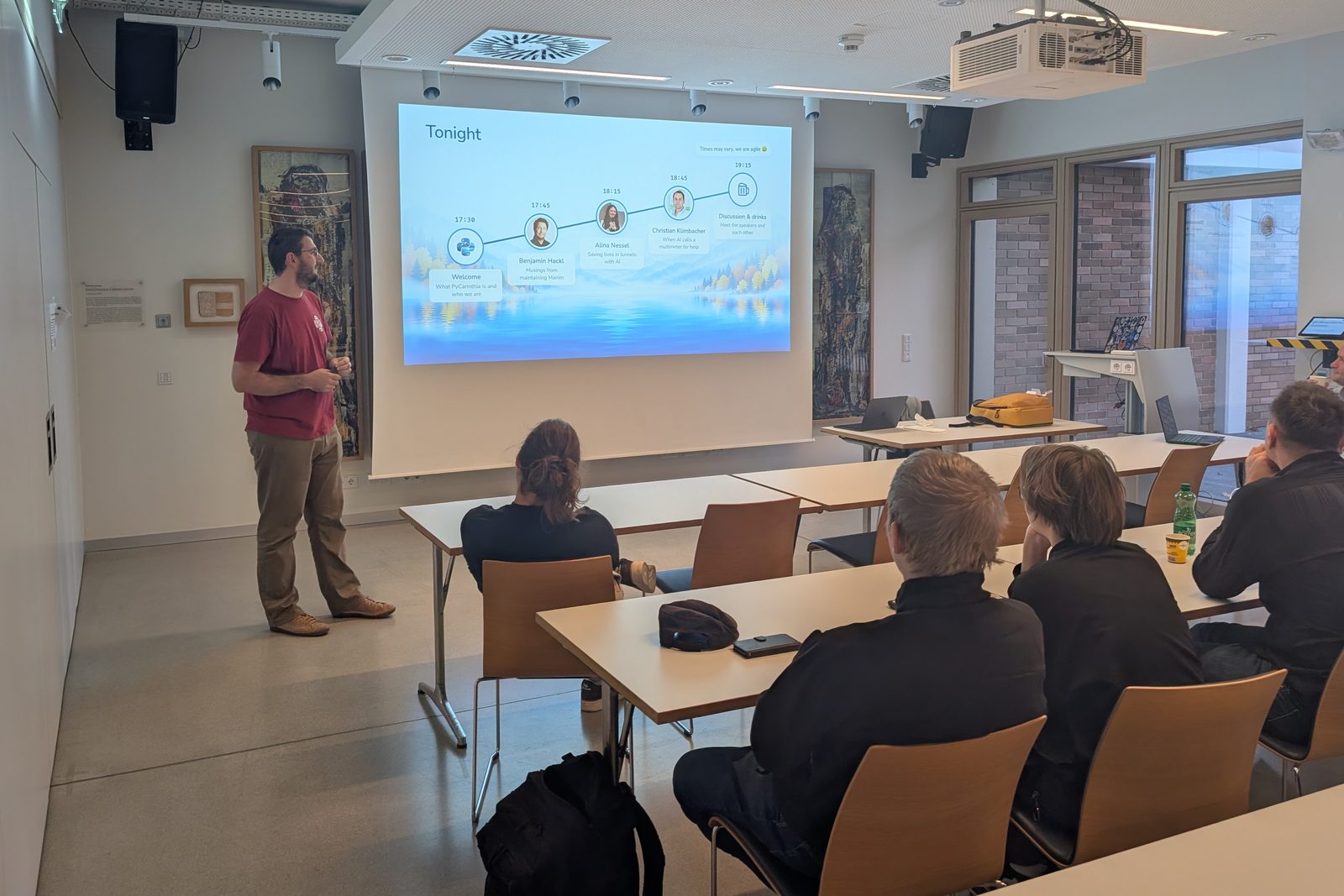
Harald opened the evening with what PyCarinthia is meant to be: a free, open meetup for everyone in Carinthia who builds with Python and AI, from students and researchers to professionals and hobbyists. He introduced the Code of Conduct, thanked the FTF (Förderverein Technische Fakultät) and the University of Klagenfurt for their support, and walked through the agenda.
The talks
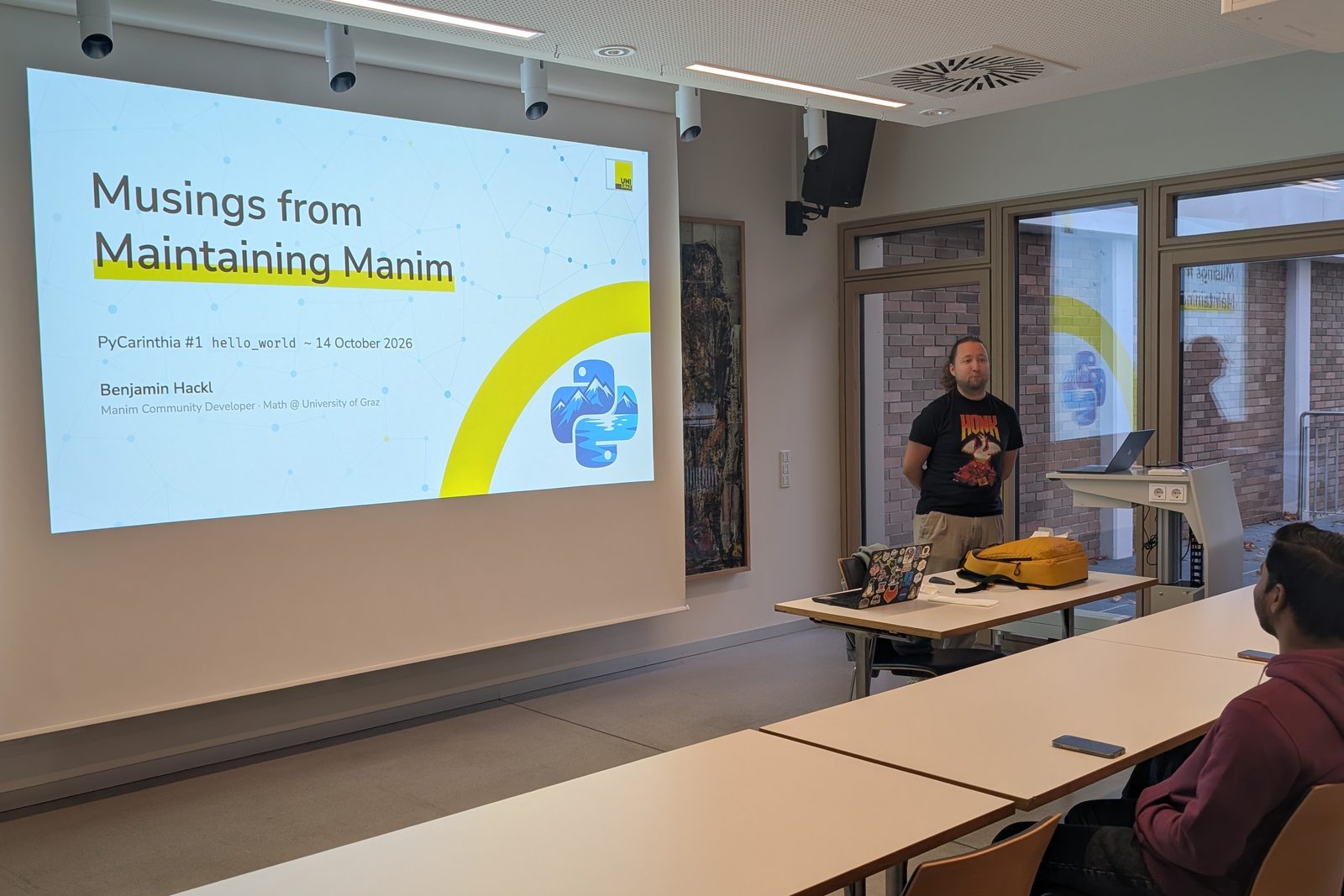
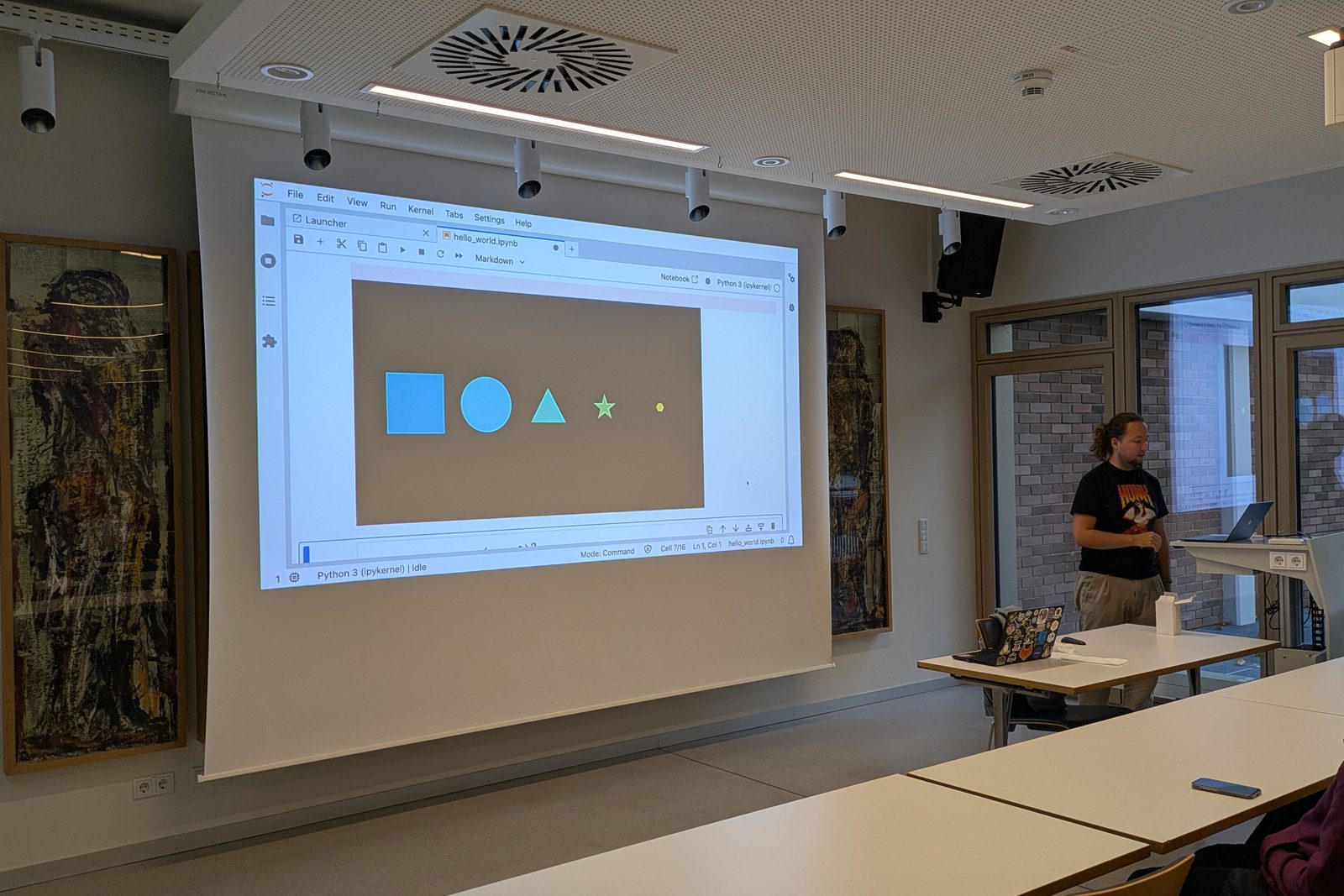
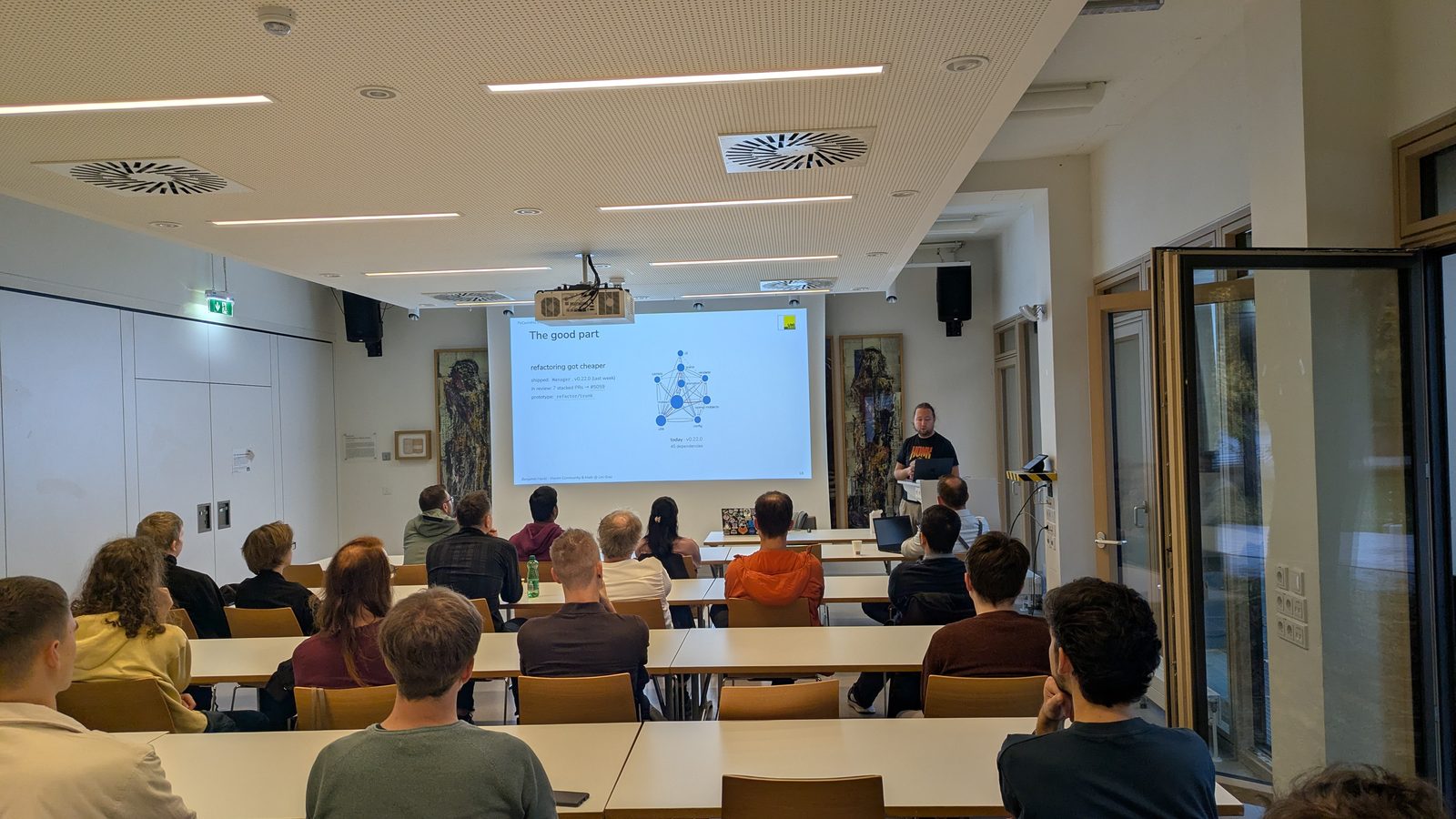
Benjamin Hackl: Musings from Maintaining Manim
Benjamin talked about the evolution, the technical challenges, and the community side of Manim, the Python library for programmatic mathematical animations.
- Programmed, not prompted. Generative AI can produce videos from a text prompt, but code-based animation gives precise control over every detail and stays consistent, which matters for educational content.
- The community fork. He explained the history of the split between the original Manim by Grant Sanderson (3Blue1Brown) and the community-maintained version, created to offer a stable, documented release cycle instead of breaking changes between videos.
- Moving to 3D. A large part of the talk covered the long refactoring towards an OpenGL-based 3D renderer. Because the community version had diverged so far from the original, this was a massive undertaking, and AI turned out to be a real force multiplier for the large-scale refactoring.
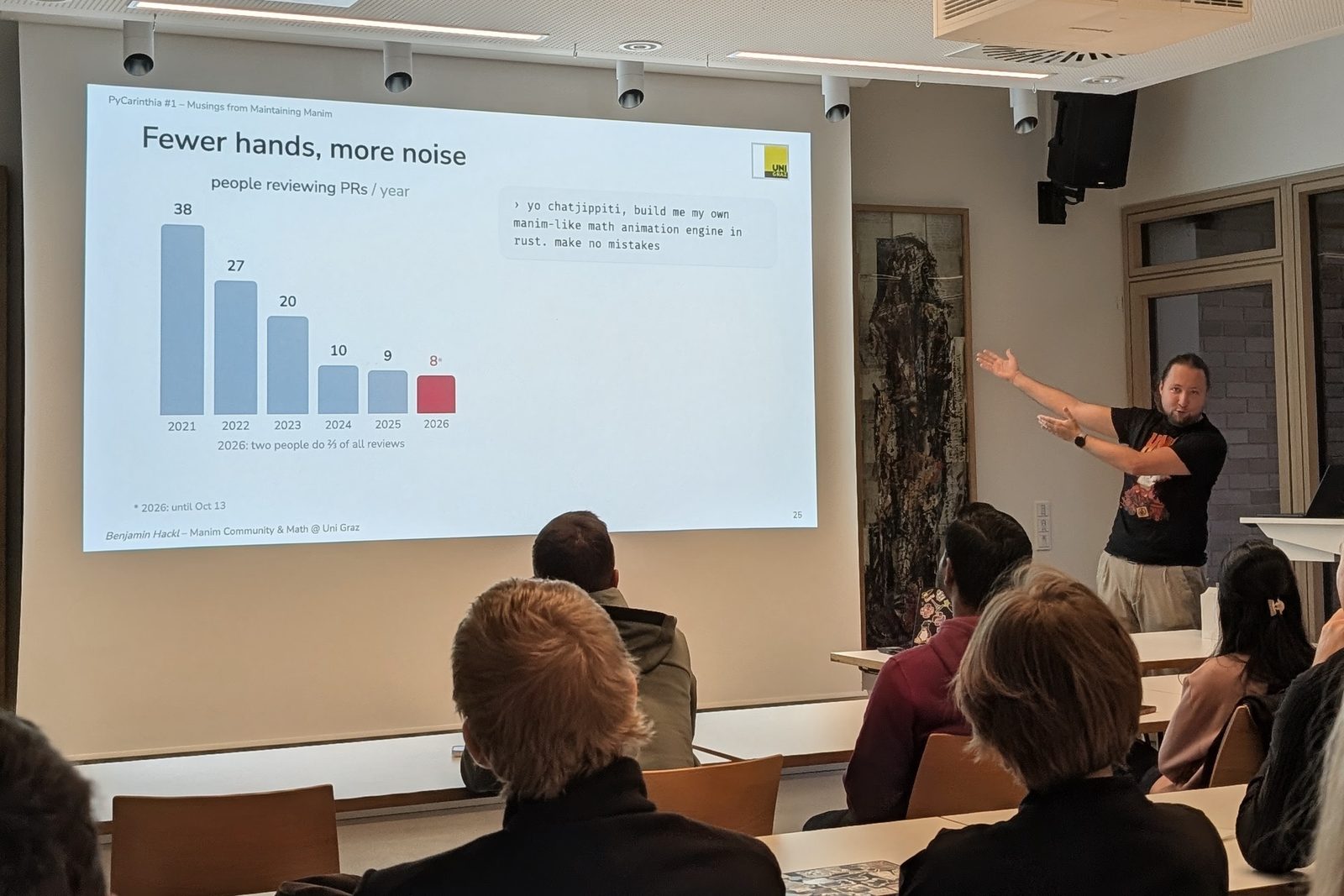
- Maintenance in the age of AI. Benjamin also showed the unglamorous side: floods of low-quality, automated pull requests from AI agents hunting for good first issues, governance and interpersonal conflicts in a community-led project, sustainable onboarding for new contributors, and why a project needs a clear AI policy so that humans stay in charge of its direction.
Benjamin's slides are online at behackl.dev/slides/2026-10-pycarinthia, and the project lives at manim.community.
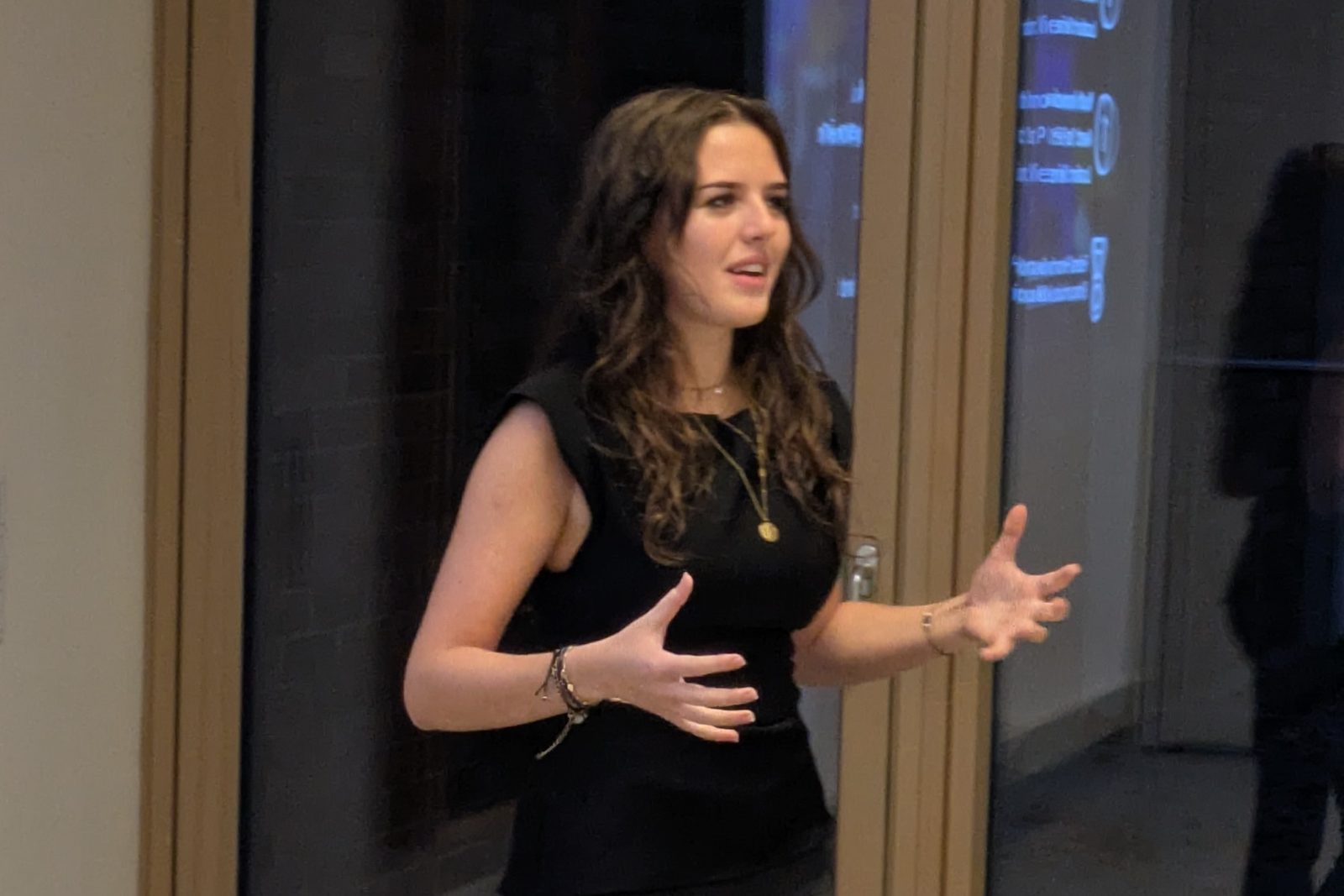
Alina Nessel: LiveSaferOverview: Saving Lives in Tunnels with AI
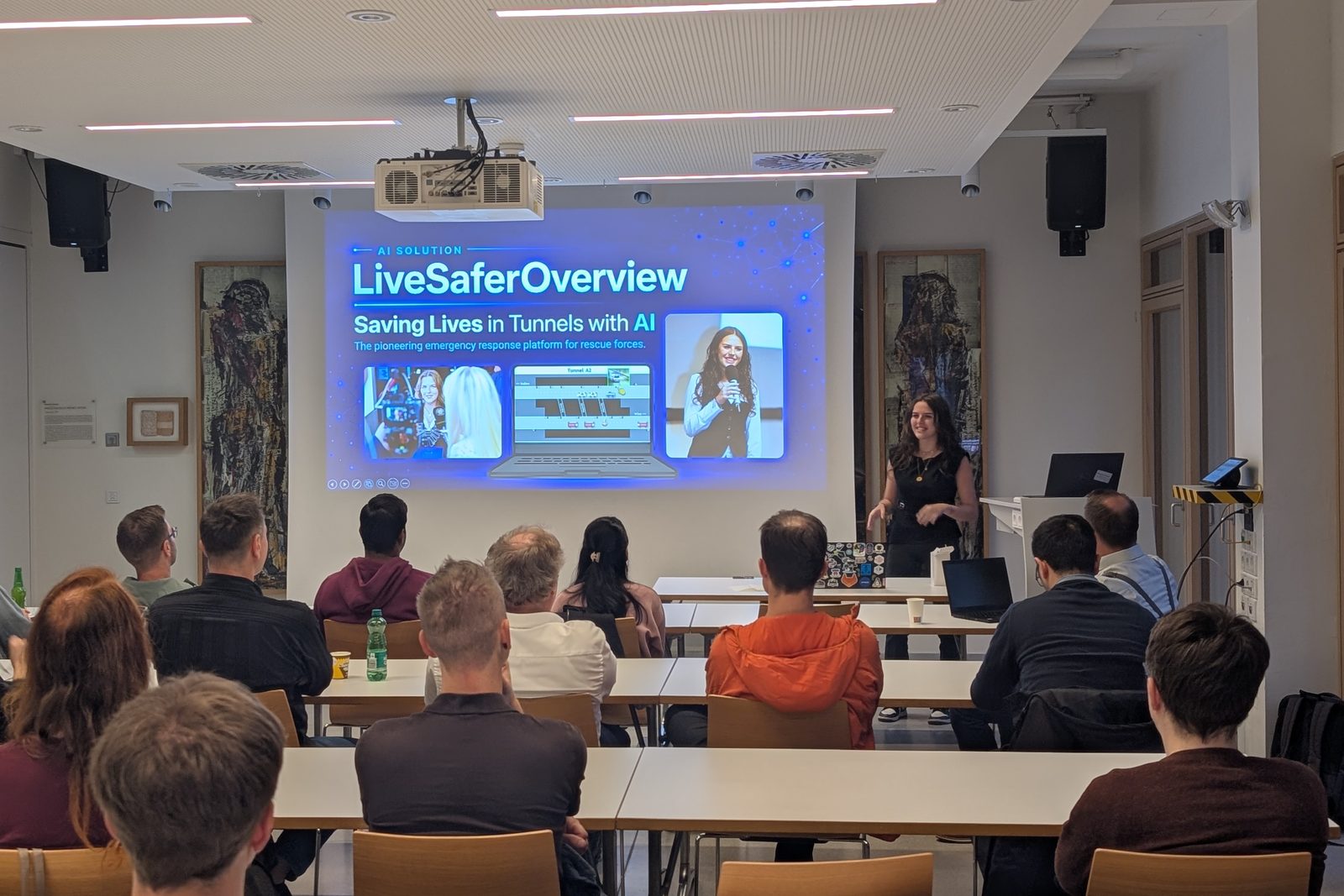
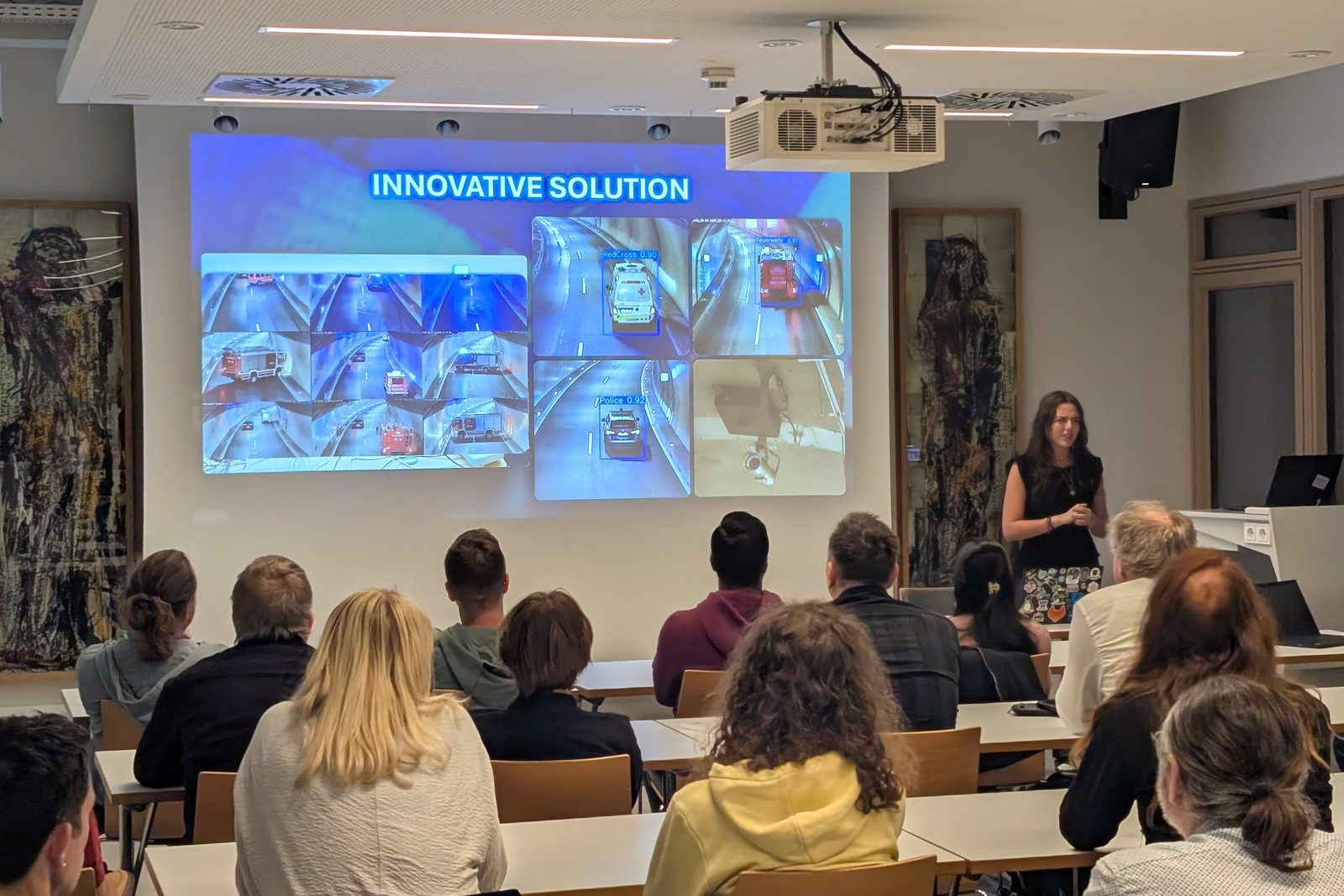
Alina presented a project that helps emergency services keep an overview during accidents in highway tunnels, where high speeds and confined spaces make every incident dangerous.
- The problem. Tunnel accidents are rare, so they are chaotic for fire brigades, police, and paramedics alike. Without a clear, real-time picture of where vehicles are inside the tunnel, coordinating a rescue is difficult and risky.
- The idea. GPS does not work reliably underground, and sirens or flashing lights are no help for tracking. LiveSaferOverview therefore uses the camera infrastructure that tunnels already have.
- The dataset. No public dataset of Austrian emergency vehicles existed, so footage was recorded together with the fire brigade, the Red Cross, and the police, showing vehicles in many positions and manoeuvres.
- The system. A detection model identifies emergency vehicles in the camera feeds in real time. Because the tunnel's distances were measured, the system can show on a live map exactly where each vehicle is and where rescuers need to go.
- Recognition. Tunnel emergency services welcomed the visual confirmation of where help is needed, and the project has won several awards, including the Bosch Innovation Award.
Christian Klimbacher: When AI Calls a Multimeter for Help, You Get More Than Expected
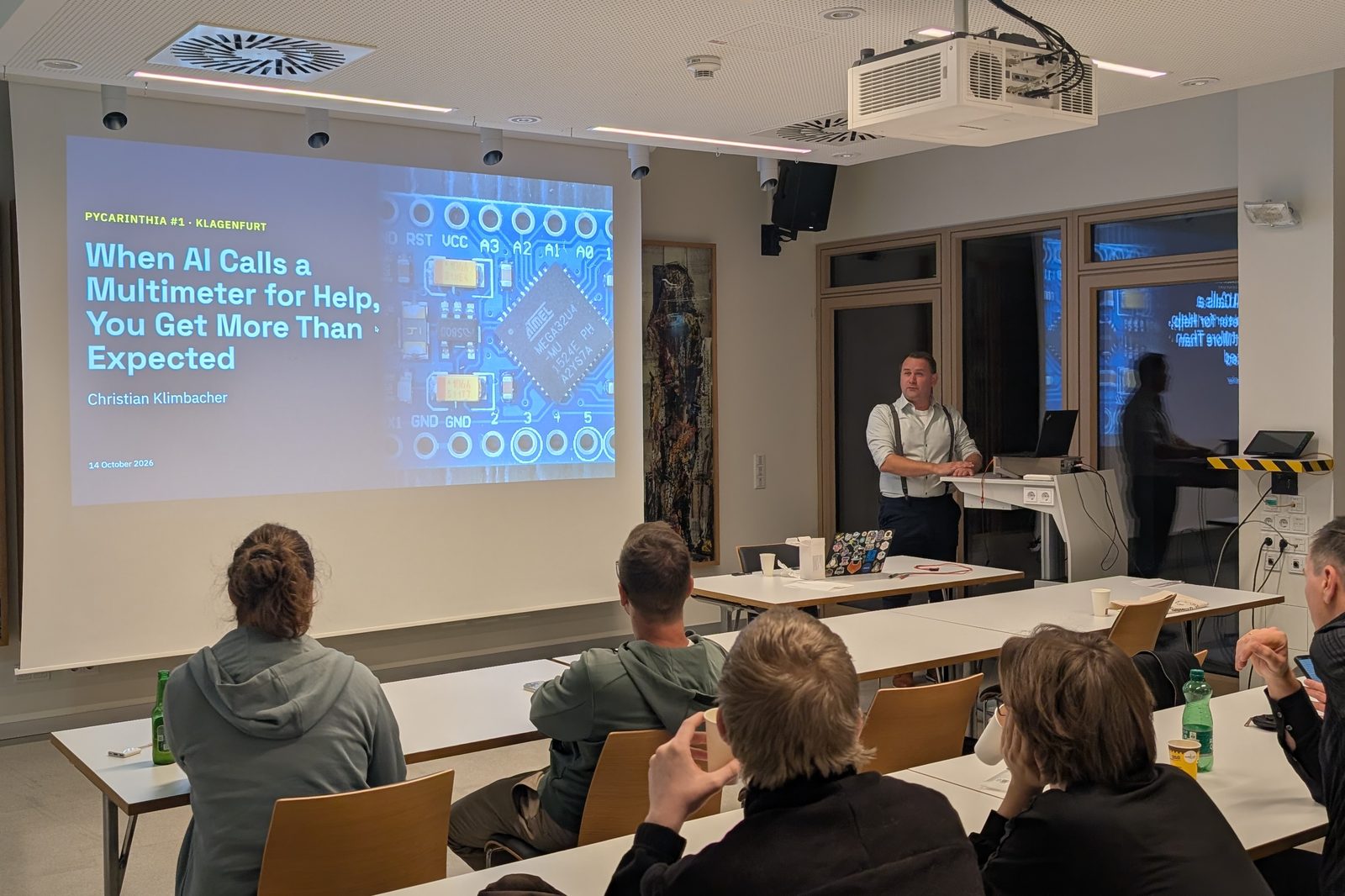
In the final talk, Christian showed a system for reverse-engineering printed circuit boards when no schematics, documentation, or bill of materials exist, a common problem when maintaining legacy hardware and industrial machines.
- Lost documentation. Many industrial machines have been running for decades, and when they fail, the original schematics are often gone. Technicians rely on experience, searching for components and following traces by eye.
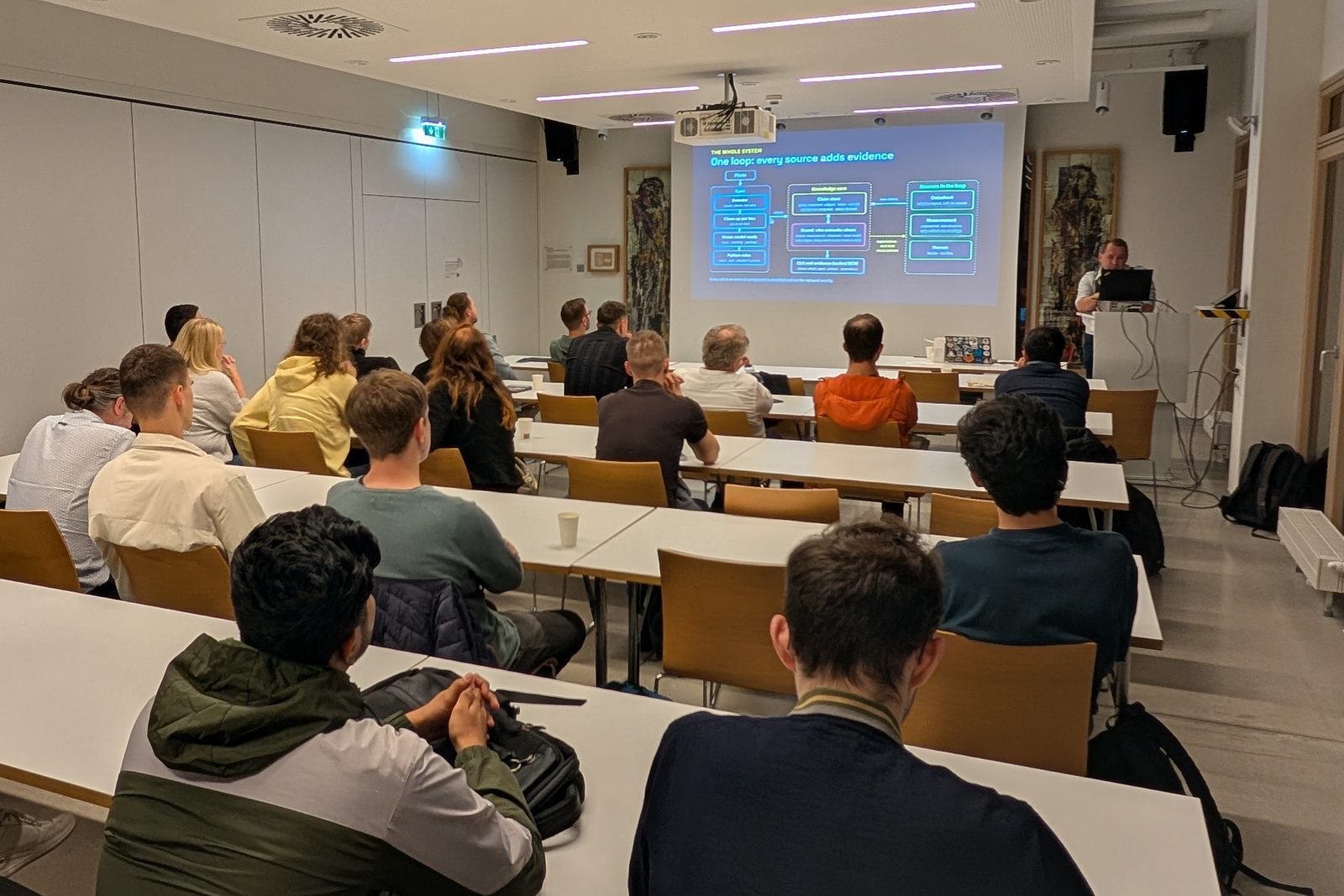
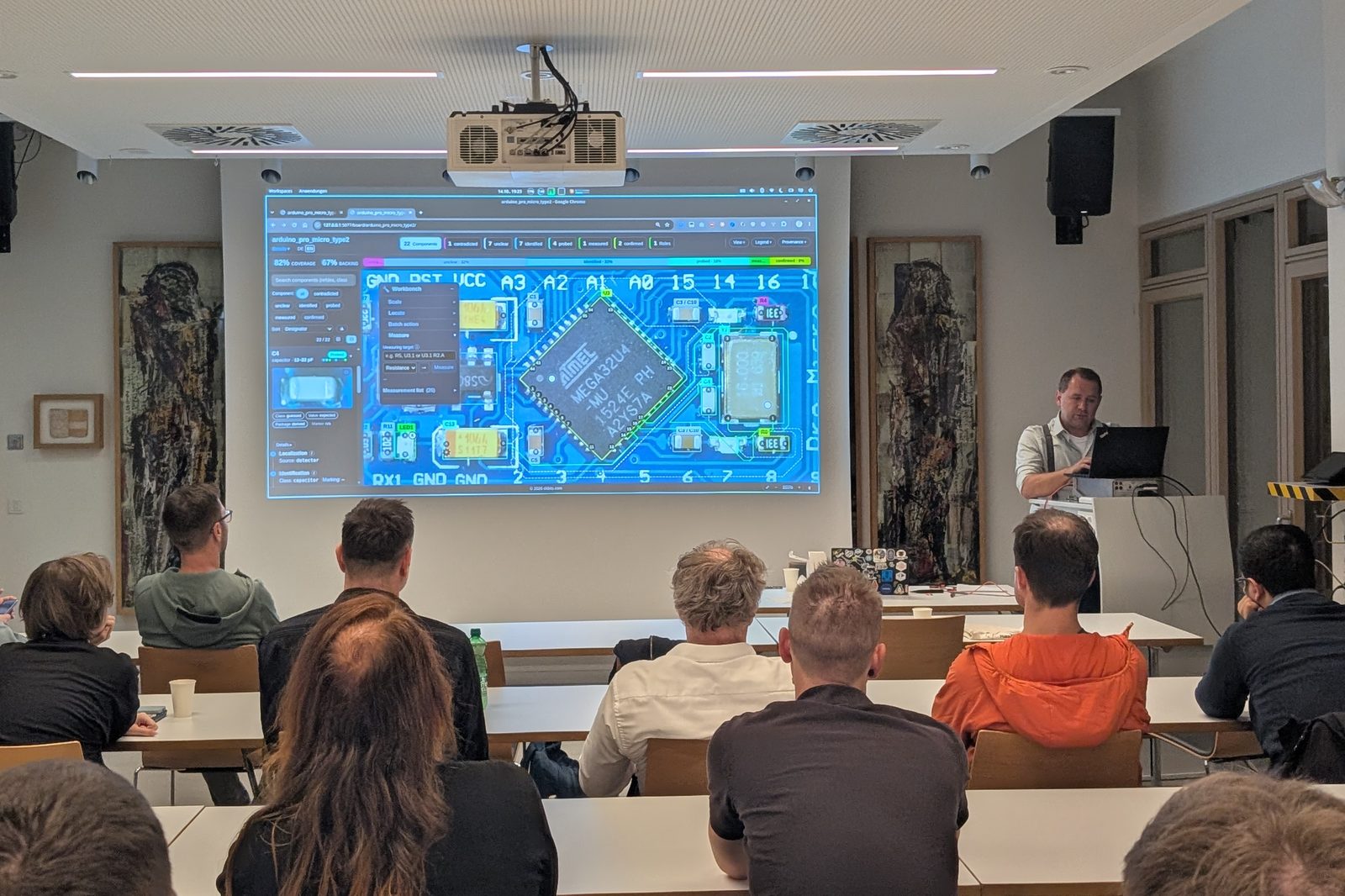
- The eyes. The pipeline starts from a smartphone photo of the board. A localiser model finds the components (capacitors, ICs, resistors), and a vision-language model reads their markings.
- The knowledge. From those markings the system fetches datasheets automatically, builds a bill of materials, and works out the function of individual IC pins.
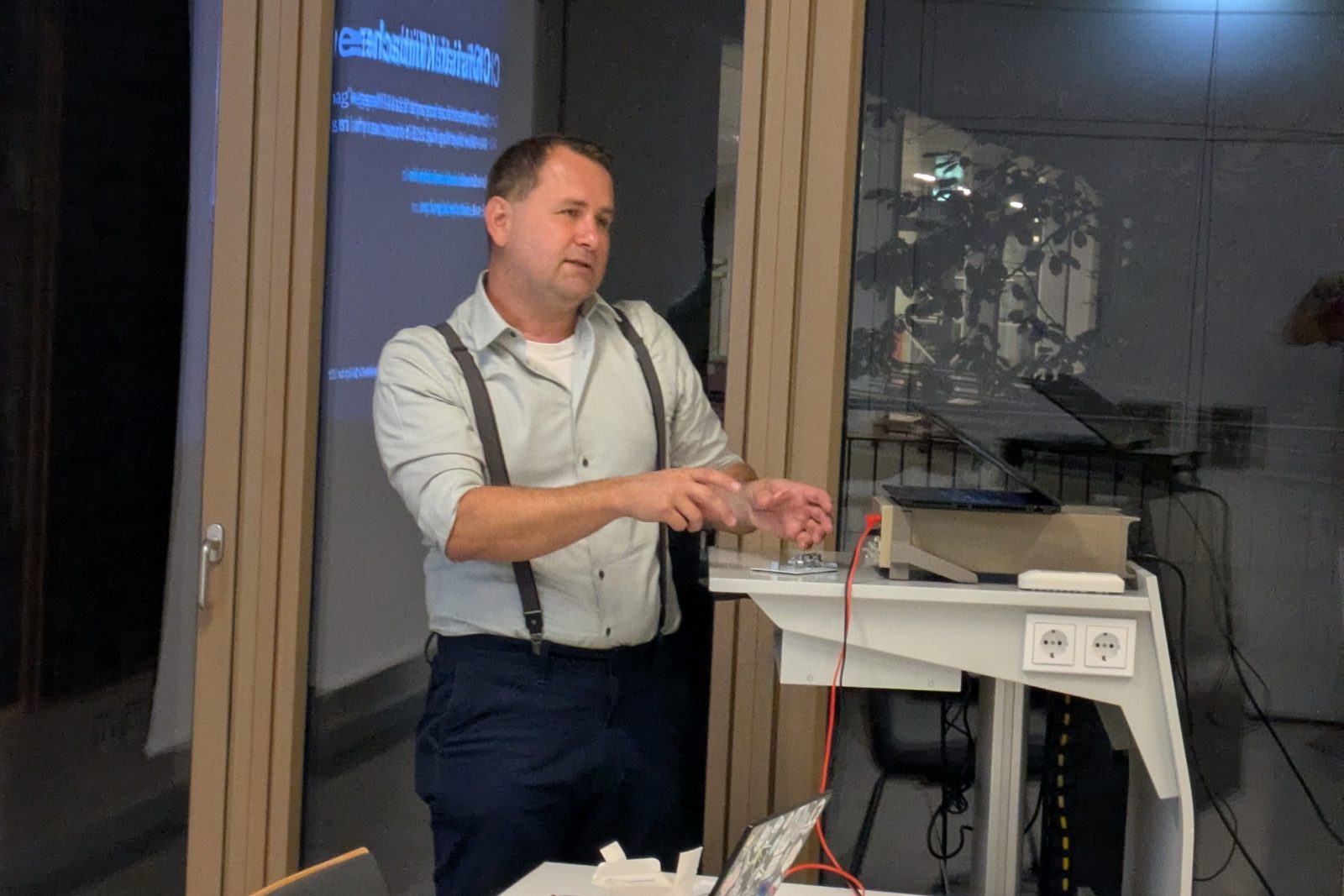
- The verification. Models can misread labels or hallucinate, so the system is deliberately conservative: a multimeter measures components in-circuit, for example confirming that a resistor really is 10 kΩ, before a value is trusted. Christian demonstrated this live on stage.
- What comes next. Phase 1, reconstructing the bill of materials, works today. Phase 2, rebuilding the netlist from the traces, has started. Phase 3 aims at understanding the circuit's original logic.
- Human in the loop. The goal is not to replace technicians but to give them an assistant that reads hundreds of pages of datasheets and repeats measurements instantly, so they can focus on the actual repair.
After the talks
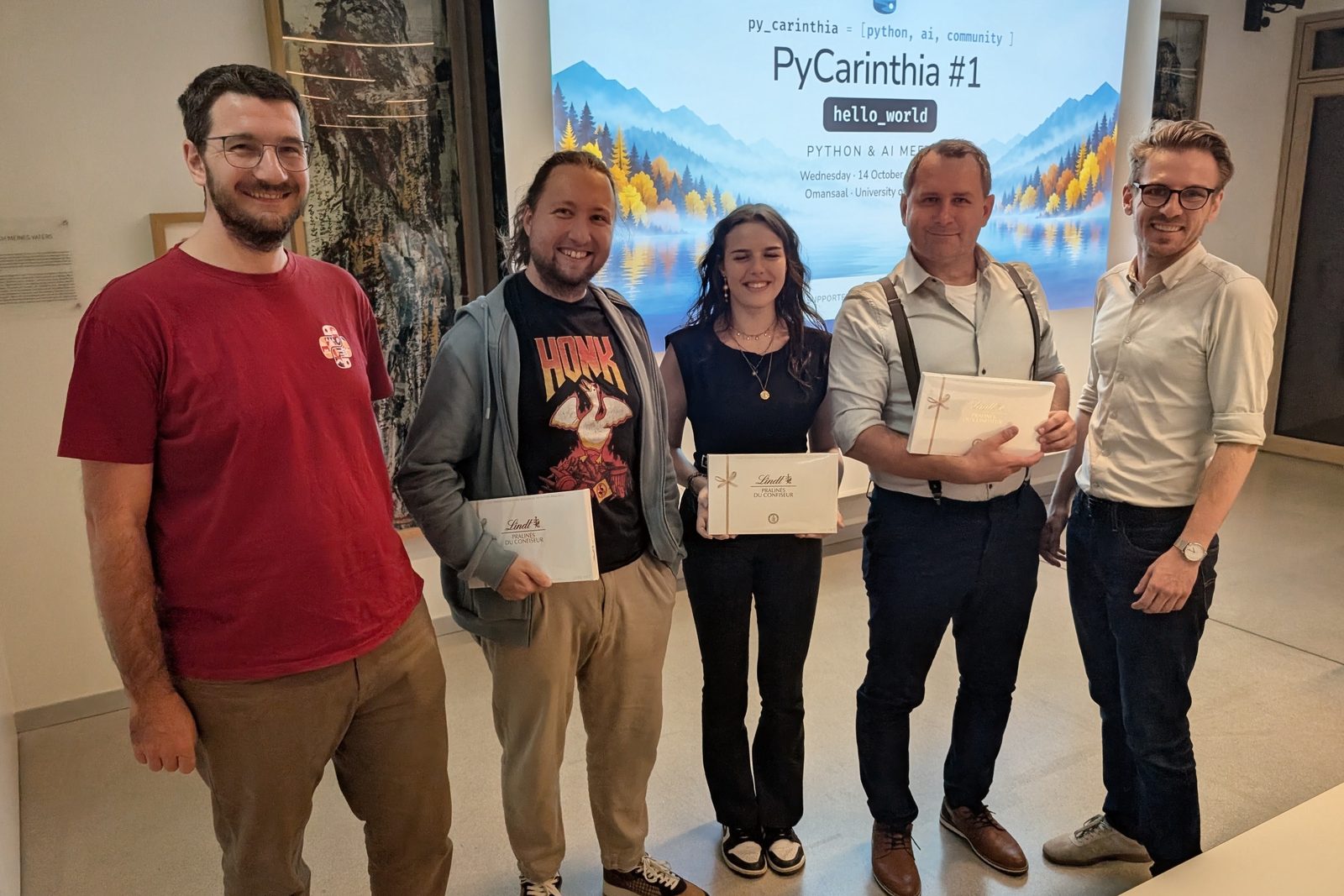
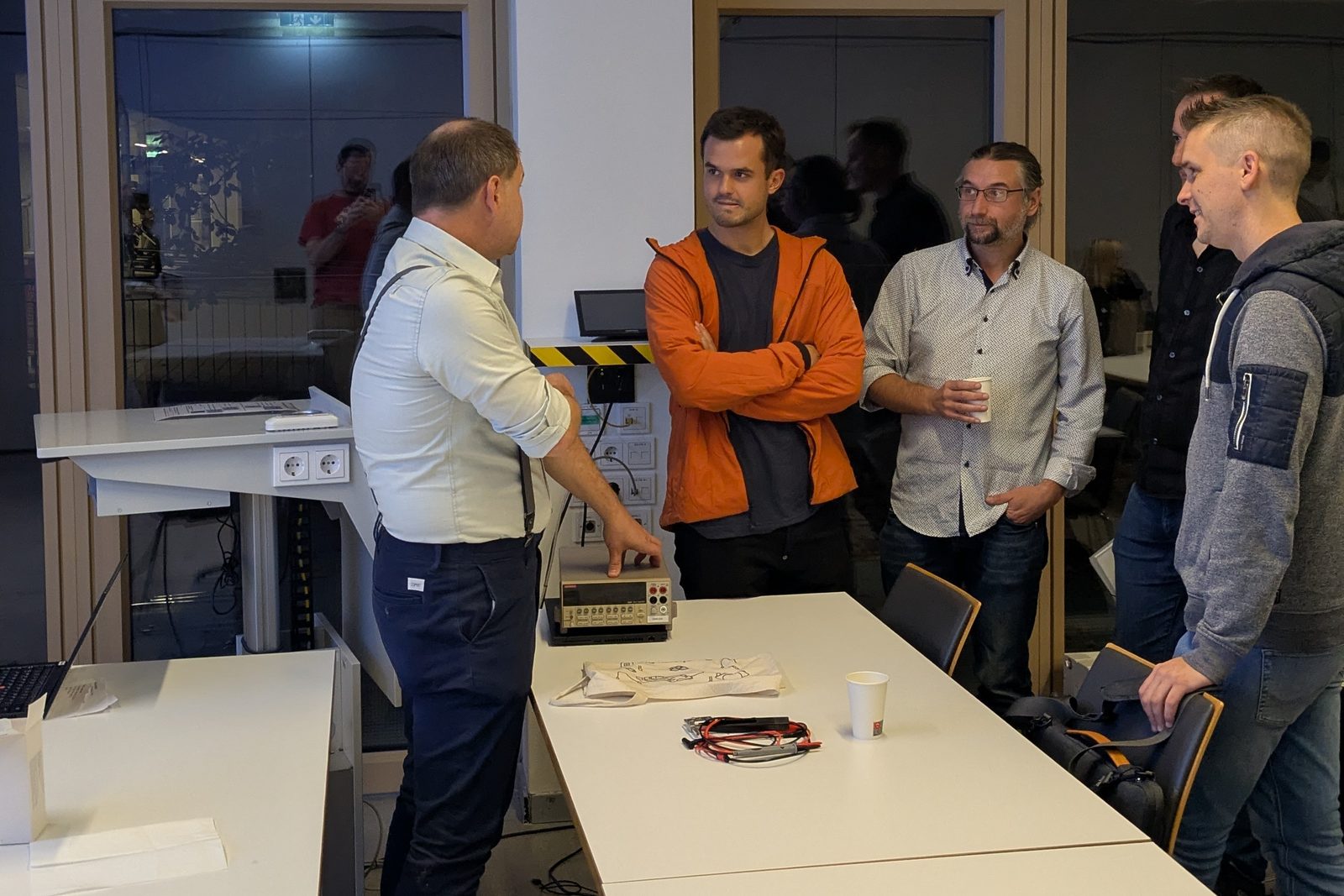
The evening closed with a group photo of the speakers and organisers, followed by food and drinks. Small groups formed around each of the speakers, and the conversations carried on long after the last slide.
A big thank you to Gabriel, who took care of the logistics, organised the food, and took many of the photos on this page.
Photos: Gabriel Lipnik and Harald Nezbeda